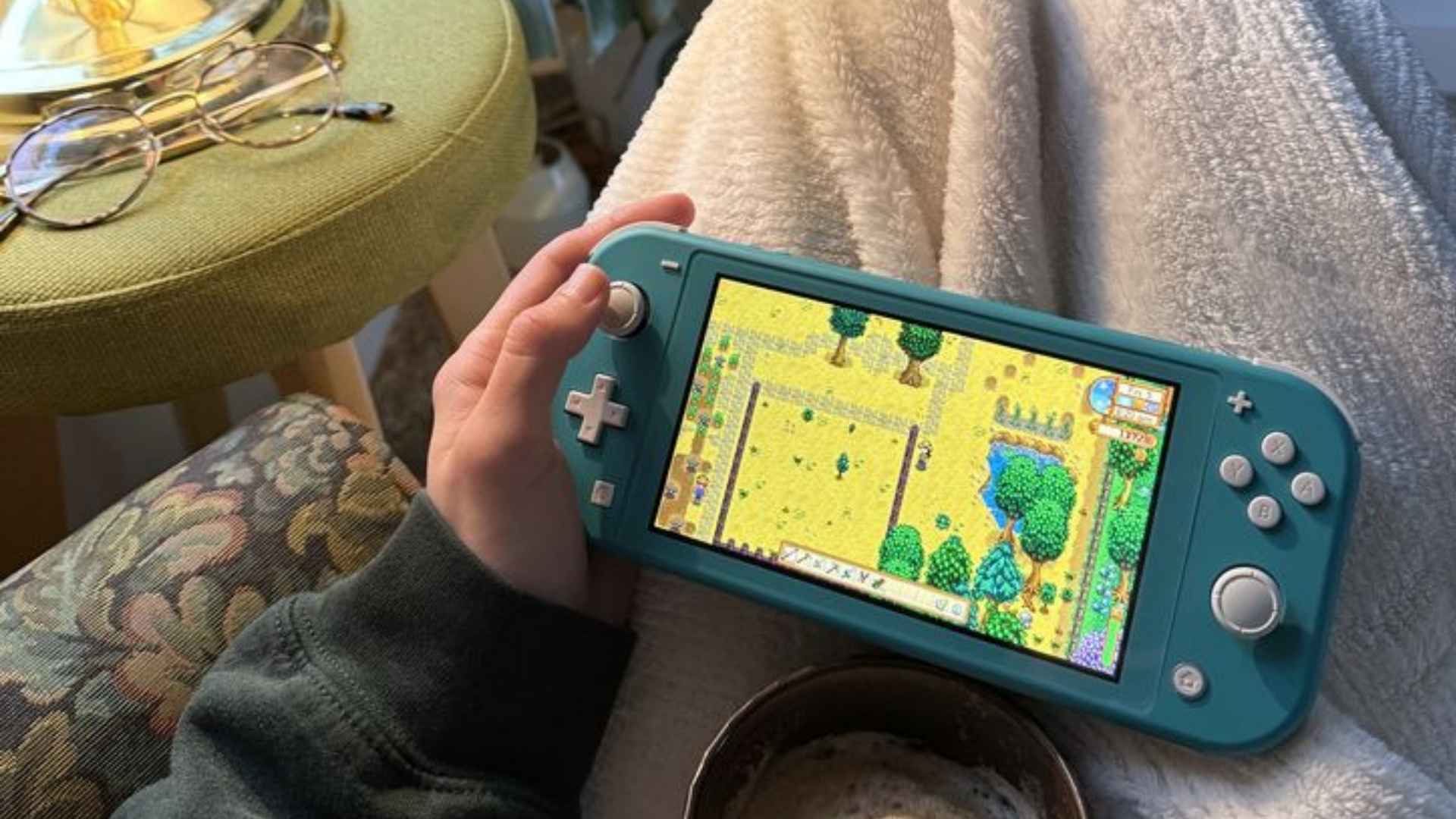
The journey of mobile gaming has transformed smartphones from simple communication devices into powerhouse entertainment hubs. Over the last decade, advancements in cellular networks and hardware capabilities have allowed mobile titles to rival traditional console experiences. Today, millions of players connect daily to enjoy seamless multiplayer action directly from their pockets.
From Casual Pastimes to Complex Worlds
In the early days of mobile internet, handheld gaming was limited to basic puzzles and single-player time-killers. The introduction of app stores and improved touch responsiveness paved the way for more sophisticated game designs. Modern developers can now build massive open-world environments that players can explore smoothly on the go.
This shift has fundamentally changed how people interact with digital entertainment during their daily routines. Instead of waiting until they get home to their PCs, gamers can now experience high-fidelity graphics during short breaks. The accessibility of modern hardware ensures that deep, engaging stories are always within arm's reach.
The Power of Live-Service Ecosystems
One of the biggest drivers of this ongoing evolution is the rise of the live-service model in mobile software. Continuous updates, seasonal events, and community-driven content updates keep older titles feeling fresh and exciting for years. This sustainable approach to development builds long-term player retention and strong global communities.
Furthermore, these connected ecosystems rely heavily on low-latency networks to deliver fair competitive environments. Enthusiasts often look for reliable platforms like M88 to stay updated on community tournaments and mobile performance optimization tricks. Choosing optimized titles ensures a seamless experience during critical real-time matches.
Cloud Innovations and Cross-Platform Integration
As cloud streaming technology matures, the hardware limitations of individual smartphones are becoming less relevant. Players can now stream demanding triple-A titles directly to modest devices without experiencing major performance drops. This democratization of high-end gaming allows a broader audience to participate in modern digital culture.
Cross-platform progression has also broken down the traditional barriers between mobile and desktop gamers. You can start a complex strategy session on your home computer and finish it on your phone while traveling. This flexibility ensures that modern interactive entertainment fits perfectly around a player's lifestyle.
The Future of Portable Entertainment
Looking ahead, the integration of artificial intelligence and advanced rendering techniques promises even greater visual fidelity. Future mobile operating systems will likely focus on maximizing battery efficiency while maintaining stable frame rates. This balance will allow for longer, more immersive sessions without compromising device longevity.
Ultimately, the smartphone has solidified its place as the primary platform for modern interactive entertainment worldwide. As technology continues to advance, the boundaries between different gaming mediums will continue to blur into a single connected experience. The ongoing transformation ensures that the best era of portable gaming is still to come.