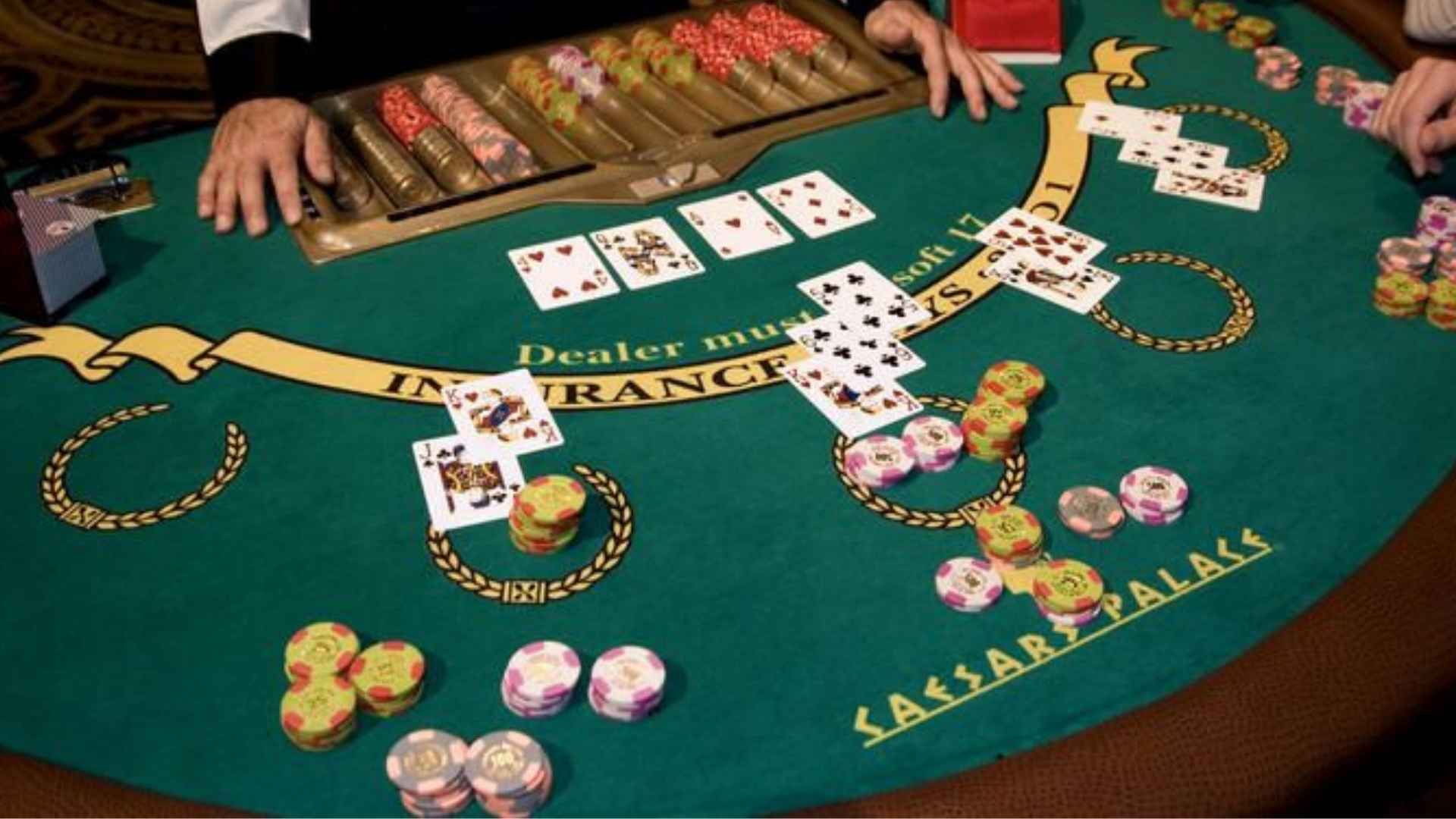
Strategic board games have evolved from simple pastimes into intricate experiences where visual presentation and functional engineering meet. Modern tabletop enthusiasts no longer choose between deep tactical mechanics and beautiful aesthetics, as contemporary designers actively prioritize both elements. This harmonious integration of form and function elevates player immersion and redefines how we interact with analog entertainment systems.
The Intersection of Art and Mechanics
Outstanding design in strategy games goes far beyond mere illustrations on a cardboard surface. It encompasses the deliberate arrangement of components that intuitively guide a player through complex rules and operational systems. When physical components mirror the game's underlying thematic elements, the learning curve drops significantly and cognitive load is greatly reduced.
Furthermore, premium materials such as custom wooden tokens, molded plastics, and high-contrast typography enhance the tactile experience. These thoughtful details ensure that players remain fully engaged during multi-hour sessions where every decision impacts the final outcome. Ultimately, brilliant artistic execution transforms an abstract set of rules into a memorable narrative environment.
Enhancing Ergonomics and Tabletop Presence
A well-designed strategy game must maintain absolute clarity even when the board state becomes highly cluttered. Innovative layout choices, such as dual-layered player boards and distinct color coding, prevent accidental pieces shifting and misinterpretations of data. These structural innovations allow participants to focus entirely on formulating their long-term competitive tactics.
For individuals looking to explore analytical systems in other creative spaces, examining structured platforms like M88 can offer unique insights into interactive digital design. However, the physical presence of a carefully engineered tabletop layout provides an irreplaceable social dynamic. Clear visual architecture ensures that every participant can easily read the state of the room from any angle.
The Evolution of Component Engineering
Recent production advancements have allowed independent creators to experiment with three-dimensional cardboard structures and modular systems. These shifting landscapes allow the physical board to grow dynamically alongside the unfolding strategic choices made by the players. As a result, setup times are decreasing while the overall replay value of the library increases.
Prototyping tools have also matured, enabling manufacturers to test how different textures and component weights influence consumer satisfaction. When pieces feel substantial and satisfying to move, the psychological reward of executing a flawless plan feels much more profound. This dedication to tangible quality marks a massive golden age for modern strategy gaming enthusiasts globally.
Long Term Benefits of Thoughtful Curation
Investing in exceptionally designed titles ensures that your personal collection remains relevant and durable for many years. Games that balance visual appeal with rigorous mechanical depth naturally invite repeat sessions among diverse social circles. This enduring quality makes them highly sustainable additions to any modern home entertainment library.
Ultimately, outstanding design honors the intelligence of the audience by providing a polished, bug-free interactive system. By removing unnecessary clutters and confusing symbols, brilliant designers allow the pure joy of tactical competition to shine through. As the hobby grows, the fusion of aesthetic beauty and strategic depth will remain the primary hallmark of excellence.