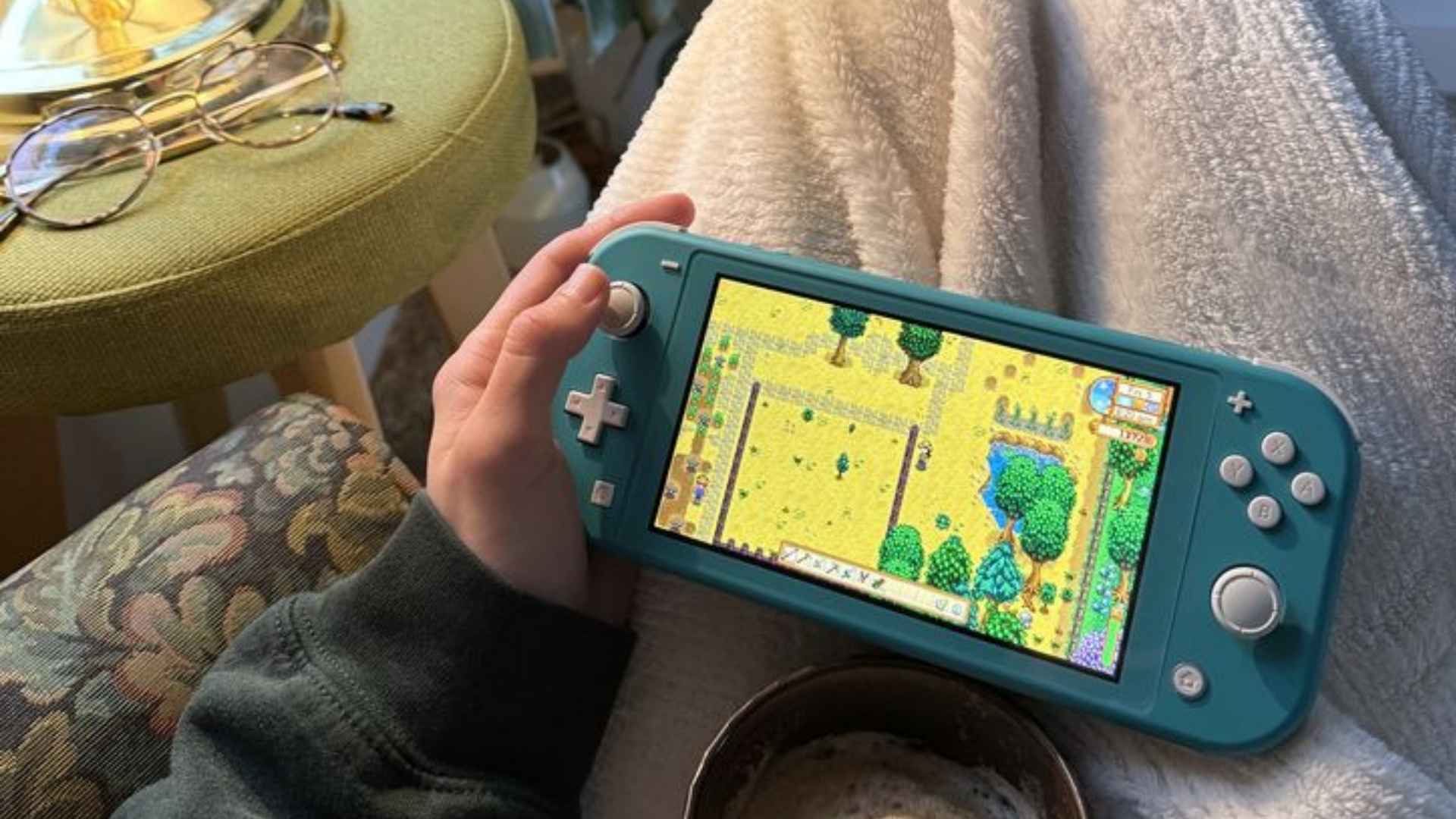
The evolution of digital entertainment has rapidly transitioned from simple isolated gameplay to deeply integrated multiplayer ecosystems that connect millions of people globally. Modern video game titles now rely on sophisticated architectures known as interactive team networks to establish fluid communication and synchronization between players in real time. These complex frameworks allow for advanced tactical planning, shared in-game resources, and highly cooperative problem-solving environments that keep communities engaged for extended periods.
The Mechanics of Distributed Team Architecture
At the absolute core of modern multiplayer gaming lies the structural network that meticulously handles player interactions, character roles, and strategic assignments. These networks dynamically analyze group capabilities and individual skill sets to ensure balanced matchmaking and uninterrupted data transmission during intense gameplay sessions. By integrating highly advanced cloud-based server systems, developers can support thousands of concurrent tactical decisions without experiencing any noticeable latency or packet loss.
Furthermore, these connected systems actively adapt to ongoing player behaviors, tracking critical performance metrics to optimize cooperative tasks and mission structures. This systematic infrastructure transforms traditional rigid squad mechanics into highly responsive digital environments where every individual action directly influences the collective outcome. As a direct result, modern gaming communities can enjoy significantly more immersive, fair, and predictable cooperative experiences across various platforms.
Enhancing Social Integration and Long-Term Engagement
Interactive team networks significantly boost interpersonal engagement by requiring constant verbal dialogue, synchronized planning, and mutual trust among all participants. Players are continuously encouraged to develop critical social capabilities, such as accurately predicting teammate movements and providing immediate tactical assistance during high-stakes encounters. These virtual environments effectively bridge massive geographical gaps, allowing friends and global strangers to seamlessly unite under common strategic milestones.
To safely explore external platforms that prioritize deep community connection, competitive rankings, and dynamic digital environments, players often rely on verified portals. For instance, accessing a secure login situs m88 allows gaming enthusiasts to engage with diverse options explicitly designed to enhance modern player participation. Utilizing these dedicated hubs ensures a smooth, protected entry into highly interactive digital networks that support multiple gaming preferences.
The Evolution of Cross-Platform Network Systems
As digital gaming hardware continues to diversify, the demand for comprehensive cross-platform convergence has reached unprecedented levels within the global industry. Modern interactive team networks are rapidly expanding to break down traditional operational barriers between mobile smartphones, high-performance personal computers, and dedicated home consoles. This seamless structural expansion ensures that community networks remain highly populated, vibrant, and active regardless of the specific devices chosen by players.
Consequently, developers are focusing heavily on implementing universal progression tracking and shared inventory systems that follow users across different technological ecosystems. This approach removes the frustration of fragmented communities, allowing friends to maintain their competitive edge and collaborative networks without any hardware limitations. The unification of these distinct gaming spaces represents a monumental step forward for the modern interactive entertainment landscape.
Future Advancements in Tactical Group Networks
Looking toward the future, the integration of cutting-edge artificial intelligence will likely redefine how interactive team networks manage live group communication and emergent gameplay loops. Future network systems will feature automated strategy recommendations, dynamic environmental hazards, and smarter matchmaking algorithms tailored to specific behavioral patterns. These impending technological advancements promise to keep multiplayer environments highly challenging, intellectually stimulating, and deeply engaging for future generations of global gamers.