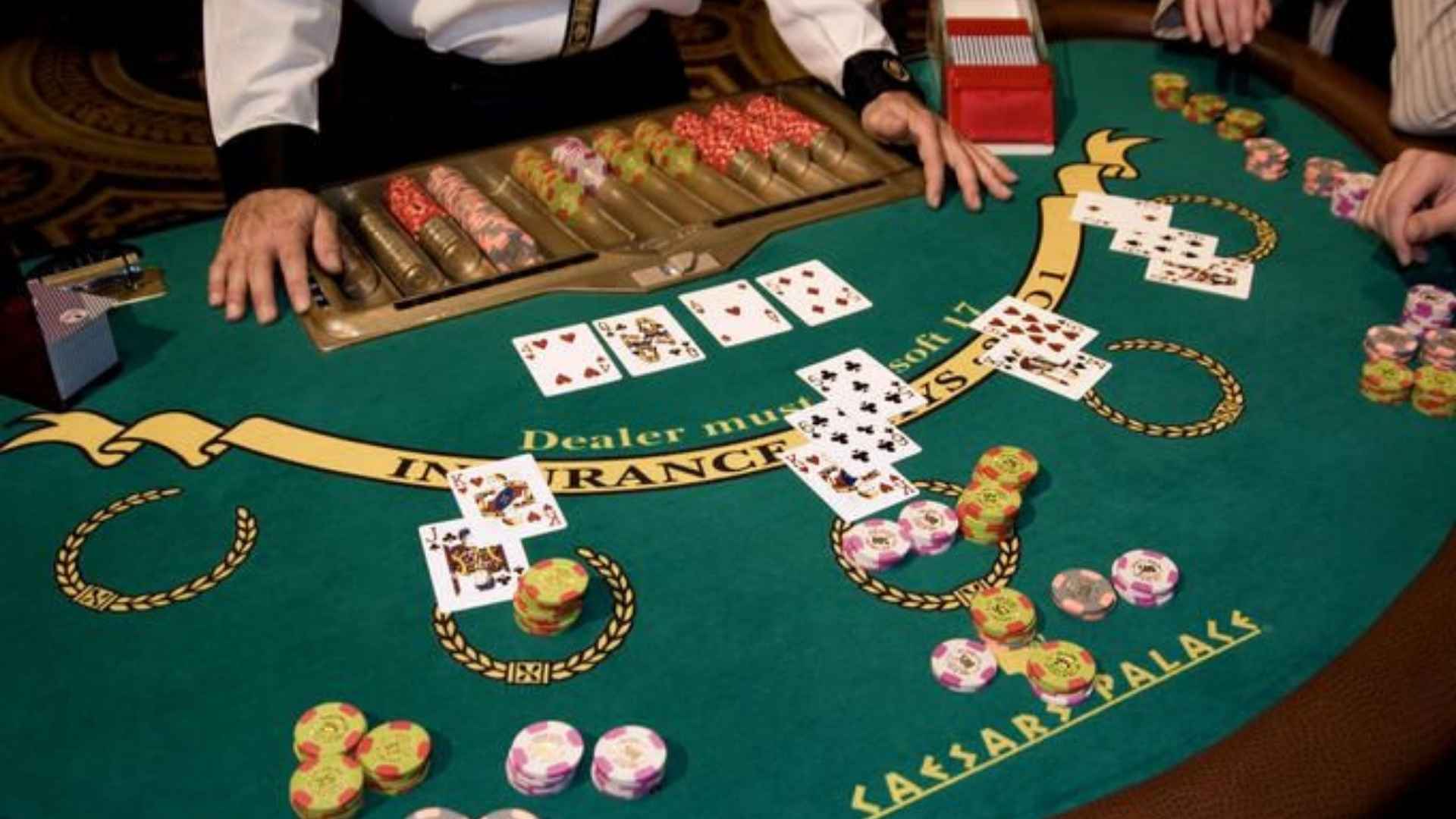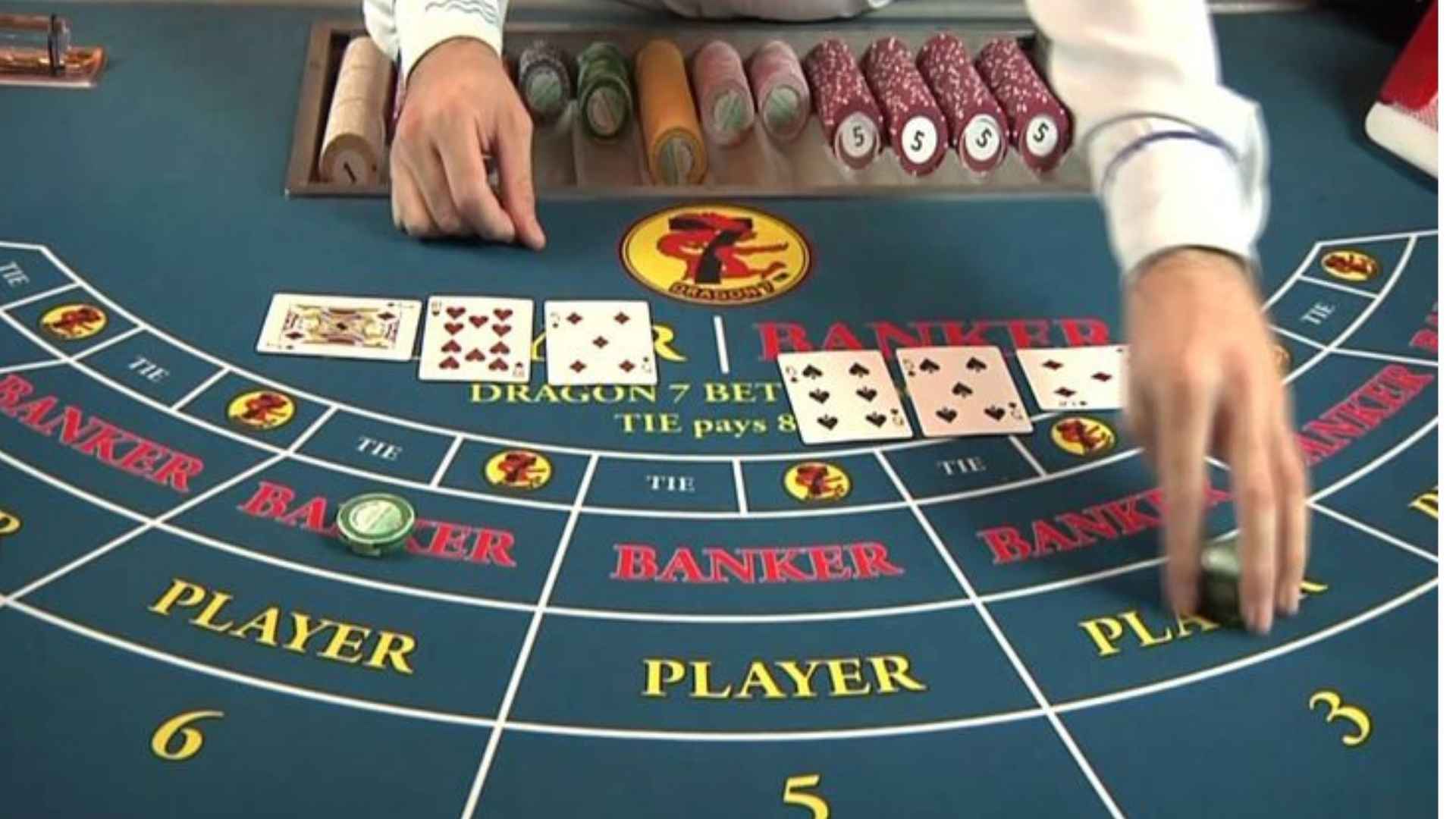
Success in high-stakes card gaming relies heavily on how players organize, evaluate, and track their resources under intense tournament pressure. Mastering competitive card management allows individuals to make rapid, mathematically sound decisions while reducing cognitive overload. By shifting your focus from passive playing to structured observation, you can transform a mediocre hand into a highly strategic tool.
Mastering Hand Organization and Card Valuation
The first step toward professional card control begins with how you physically or digitally arrange your starting hand. Grouping cards by suit, value, or potential melds helps you identify strategic gaps and opportunities much faster during a live round. This deliberate structuring minimizes the risk of making accidental discards that could benefit your opponents.
Furthermore, evaluating the long-term utility of each card prevents players from holding onto dead weight. You should quickly determine which cards hold strategic flexibility and discard those that increase your vulnerability to point penalties. For players looking to sharpen these precise organizational habits, accessing platforms via a login situs m88 can offer an interactive environment to practice against diverse opponents.
Developing Advanced Memory and Tracking Habits
In competitive arenas, the ability to track cards that have already been played or discarded is a critical differentiator. Keeping mental tabs on the flow of the game allows you to calculate mathematical probabilities and anticipate your opponent's needs. This disciplined observation ensures you do not accidentally feed them the exact cards they require to complete their sequences.
Over time, consistent tracking turns speculative guessing into highly calculated decision-making. You must train your mind to register not only what is drawn but also what is ignored by other players at the table. This holistic awareness of the deck's distribution gives you a major strategic edge as the match progresses toward its final stages.
Psychological Control and Decision Pacing
Managing the ticking clock is just as important as understanding card values when playing in structured tournaments. High-pressure environments often trigger impulsive moves that lead to critical, game-ending blunders. Developing a calm, methodical routine for evaluating your options helps maintain peak focus when the stakes are highest.
Additionally, consistent pacing keeps your strategic intentions hidden from observant rivals. Erratic shifts in decision-making time can easily betray your confidence level or reveal a weak hand. By keeping a steady tempo, you force your opponents to play in uncertainty while you execute your tactical plans.
Refining Skills Through Systematic Practice
Transitioning to elite-level play requires a dedicated routine that goes beyond casual gameplay. Recording your matches and conducting post-game analyses can highlight subtle tactical errors you might have missed in the heat of the moment. Identifying these minor weaknesses allows you to adjust your approach before entering larger, multi-round competitions.
Ultimately, persistent practice is the only way to build the muscle memory and cognitive speed necessary for championship-level play. Treating every game as a learning experience helps build the mental stamina required for long-form tournaments. With time and discipline, these structural habits will become second nature, securing your path to consistent victories.