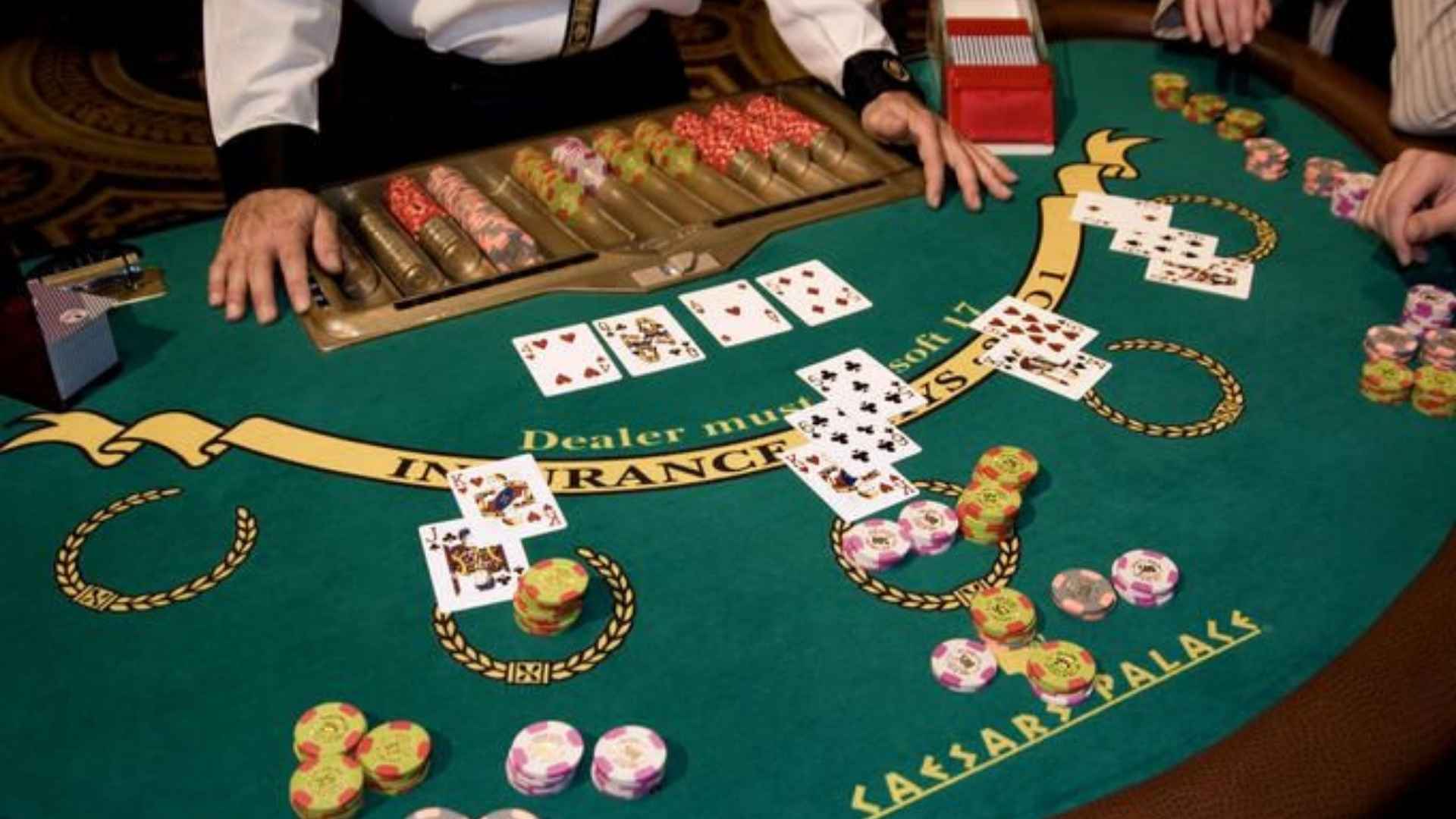
Bridge is a deeply intellectual card game that demands an incredible amount of mental focus, strategic cooperation, and long-term discipline. Unlike simpler games where luck determines your success, bridge rewards those who can maintain a highly stable approach over multiple rounds. Achieving consistent success at the card table requires a combination of structured habits, strong partnership communication, and a continuous desire to learn from past mistakes.
Establishing a Reliable Bidding Foundation
The auction phase of any bridge game acts as the critical blueprint for how your hand will eventually play out. Without a structured and fully agreed-upon bidding system, you and your partner are highly likely to suffer from costly misunderstandings. Taking the time to establish simple, reliable conventions ensures that you can always find the most optimal contract, regardless of how complex your hand appears.
Many passionate players choose to utilize specialized analytical tools and platforms like M88 to test their strategic decision-making and build up their mental resilience. Having a clear and predictable bidding vocabulary allows you to trust your partner's signals implicitly when the pressure mounts. Consistency in the auction phase naturally leads to smoother execution during the play of the cards.
Formulating a Patient Declarer Strategy
When you find yourself playing as the declarer, the temptation to play the very first trick immediately can be incredibly strong. However, top-tier bridge players always advise taking a deep breath and analyzing the entire table before touching a single card. You should use this quiet period to count your potential winners, identify critical threats, and estimate where the missing high cards reside.
A patient approach allows you to manage your entries efficiently so you can move fluidly between your hand and the dummy. Developing a flexible plan for establishing your longest side suits will often pressure your opponents into making mistakes. By maintaining a disciplined thought process on every deal, your overall win rate will become far more stable.
Refining Defense Through Attentive Signaling
Defending successfully is widely considered to be the absolute ultimate test of a bridge player's concentration and skill. Since you cannot see your partner's hand, you must rely entirely on subtle, legal signals to share vital information. By paying close attention to card signals and discard choices, you can piece together a complete mental map of the hidden hands.
A strong defense requires you to remain highly focused even when you hold an incredibly weak hand. Your primary goal is to make life as difficult as possible for the declarer by disrupting their communication and entry paths. Consistent defenders understand that saving a single trick on defense is just as valuable as making a difficult contract.
Embracing a Long-Term Learning Mindset
The journey to becoming a truly formidable bridge player is a marathon that requires constant patience and self-reflection. Instead of feeling frustrated by a bad result, you should treat every single mistake as an invaluable learning opportunity. Reviewing completed hands with your partner after each session is the single fastest way to identify gaps in your current strategies.
By maintaining a positive growth mindset, you can keep your emotions stable and perform at your highest level under tournament pressure. Over time, these analytical habits will become second nature, allowing you to recognize complex card patterns instantly. Dedication to structured practice is what ultimately separates occasional winners from truly legendary bridge champions.